
Discover Slovakia: Cities, Nature and Travel Planning
Find accommodation
Slovakia brings together compact cities, river valleys, mountains, historic sites and peaceful landscapes. A trip might begin with a stroll through Bratislava, continue with a hike in the Carpathians and end with regional cuisine or a day at the spa. To turn all the possibilities into a well-rounded holiday, it helps to start by considering your interests, travel dates and the time available. You can then choose destinations, assess travel times realistically and find suitable accommodation.
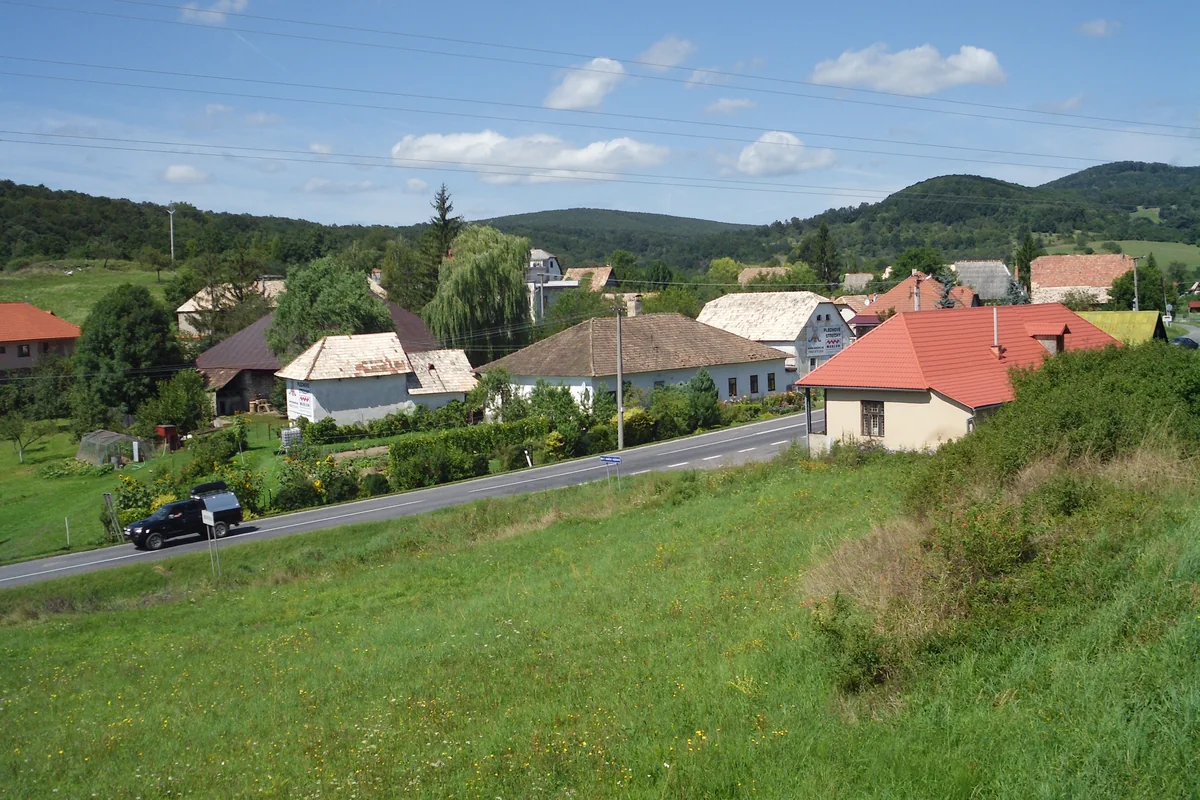
A good place to start: the trip idea first, then the route
First, consider whether you want to focus on cities and culture, active days in nature, relaxation or a round trip. If it is your first visit or you only have a few days, choosing a clear focus usually works better than making a long list of destinations scattered far apart. The overview of Slovakia’s regions and cities will help you get your bearings. For practical questions about getting there, transport and preparation, see the travel tips for Slovakia; the Planning a holiday in Slovakia page introduces possible travel styles and stay options.
Your accommodation should also suit your daily plans. For a short city break, staying close to the sights can save a lot of time, while in a mountain region, proximity to hiking trails, train stations or trailheads matters. For tips on comparing location, amenities and booking conditions, see Accommodation in Slovakia.
Cities and history: culture within easy reach
For a first impression, Bratislava makes a good city break, with its Old Town, the Danube and historic viewpoints. Don’t just plan time for sights: allow time to walk between them, take a break and explore neighbourhoods beyond the best-known squares. In the east, Košice offers a distinct urban experience. Both cities work well as destinations for a longer stay; as brief stops on an extensive round trip, however, they require extra time for transfers.
If you prefer to discover history through specific places, add castles, open-air museums and regional collections to your route. The overview of castles and chateaux will help you choose historic sites. At an open-air museum, the focus is on traditional architecture and everyday culture. The article on famous Slovaks offers a biographical perspective on notable figures. The key is to choose individual visits based on opening days, travel time and the time you have available.
Mountains, national parks and caves
In the High Tatras, alpine scenery and changes in altitude shape your plans. Choose a hike suited to your fitness and experience, and check the weather, trail conditions and any restrictions shortly before setting out. The Low Tatras offer a different landscape and can be an appealing choice for a multi-day stay, provided the journey and planned stages fit together.
If you want to experience nature beyond a single hike, the national parks of Slovakia offer varied landscapes and excursions. Choose based on trail length, elevation gain, season and the equipment you have. Caves can also provide a weather-independent activity: the overview of caves in Slovakia makes it easier to find a suitable visit. For all nature destinations, check the latest access and operating information before setting out, and treat sensitive areas with respect.
Hiking, cycling and winter days
For an active trip, the time available matters more than a long wish list. The tips on hiking in Slovakia help you consider difficulty, daily distance and preparation together. Allow extra time for changing weather on mountain hikes, and choose stages that will still feel manageable on the return journey. On a cycling trip, the landscape matters, but so do elevation profiles, traffic, road surfaces and secure places to leave your bike.
If you want to cover longer distances by bike, see cycling holidays in Slovakia. In winter, make sure the ski area, accommodation and transport all match the dates you have booked. The information on ski holidays is a starting point for planning; always check current snow conditions, open facilities and local conditions.
Relaxation, regional cuisine and special interests
A holiday doesn’t have to be packed with activities every day. In a spa or thermal resort, relaxation can set the pace; wellness and spa holidays offers an introduction to this kind of trip. Families should plan routes and days to leave room for breaks, mealtimes and weather-independent alternatives. Ideas for a stay with children can help narrow down destinations by age and interests.
Local cuisine is a great way to get to know a region through its dishes. The introduction to Slovak cuisine covers typical foods and regional differences. If you’re interested in events and seasonal traditions, pair your calendar planning with the article on events in Slovakia. Plan visits to wine towns and tastings around opening hours, transport and reservations; the tips on wine trips can help you get your bearings.
A round trip without unnecessary detours
A round trip works best when you plan the stages not just on the map, but also around realistic travel and stay times. First, choose your starting and ending points. Then group nearby destinations into a single stay, and avoid changing accommodation every day unless it adds real value. The suggestions for a round trip through Slovakia can help with the broad planning. If you don’t want to drive, check whether travelling a leg by train through Slovakia suits your schedule.
For a long weekend, one city and a nearby excursion may be enough. A week gives you room for two bases, such as a city and the mountains. On longer trips, you can add more landscapes, as long as you account for arrival and departure, breaks and possible changes in the weather. Leave some time free: it makes your route more flexible and gives you room to discover places that catch your interest along the way.
Travel dates, getting there and preparation
The best time to visit depends on what you want to do. City sightseeing is often less tied to a particular season than mountain hikes, winter sports, outdoor events or seasonal activities. Before making a firm booking, check whether your chosen activity is available and what conditions apply. If you’re travelling by car, include road sections, parking and any vignette requirements in your route planning. By train or bus, check connections, weekend timetables and the final leg to your accommodation.
Save important booking details and addresses somewhere you can access them even without a reliable internet connection. When comparing accommodation, look at the total price, cancellation policy, arrival times and what is actually included. For current rules, rely on the relevant providers and authorities, not older travel reports.
Three simple ways to start planning your trip
- City break: Choose one city as your base, plan one main theme for each day and leave plenty of time for getting around and taking spontaneous breaks.
- Active week: Stay several nights in a landscape that suits you, choose hikes according to the weather and your fitness, and leave one lighter day free as an alternative.
- Round trip: Choose a small number of bases, check the connections between them, and only then decide which additional visits make sense given the time available.
These are not fixed itineraries, but tools to help you decide. Adapt the stages to your group, arrival time, mobility and interests. A shorter list of easy-to-reach destinations often makes for a more relaxing stay than a packed schedule with long transfers.
Plan for a manageable pace, breaks and alternatives
A good daily plan accounts not only for sightseeing, but also for travel time, finding parking, transfers, meals and rest. If you’ve spent several hours on the road, don’t schedule several fixed activities straight afterwards. A later start, a longer break or a shorter walk can make the trip more enjoyable for everyone. This is especially true when travelling with children, when energy levels vary, or when an outing depends on the weather and opening hours.
Have a second option ready for weather-dependent activities that can be reached without a long detour. In hot weather, shaded trails or a shorter programme may make sense; in the rain, you could visit a museum, explore a city or take a break at your accommodation. Check at short notice which places are open, and treat these alternatives as genuine options rather than last resorts. A flexible schedule makes it easier to adapt your trip to local conditions.
Frequently asked questions about visiting Slovakia
How many places should I plan to visit in a week?
One or two bases are manageable for many week-long trips. Whether a third makes sense depends on your route, connections and the amount of time you’ll spend at each destination.
Can I combine a city break with nature?
Yes. Treat the journey between the two areas as a travel day or a clearly defined stage. That leaves time for sightseeing and relaxation.
What should I check before an outing in the mountains?
Check the weather, trail conditions, elevation gain, daylight hours and any restrictions. Choose a hike that suits your experience and allow extra time for the return journey.
