
Slovakia with a dog: entry, accommodation and outings
A trip to Slovakia with your dog is easier when your documents, accommodation and daily plans are all in order before you set off. First, check the entry requirements, confirm that each accommodation accepts pets, and choose outings that suit your dog’s fitness and the local rules.
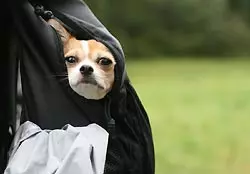 Für die Einreise mit Hund in die Slowakei gilt die EU-Verordnung für Reisen mit Haustieren: Heimtierausweis und Impfungen sind selbstverständliche Voraussetzungen.
Photo: Lesha Vagin
Quick facts
- For travel between EU countries, dogs generally need to be identified, protected against rabies with a valid vaccination, and have an EU pet passport.
- Additional documents may be required for entry from non-EU countries.
- Always check separately whether dogs are allowed at your accommodation, on trains and cable cars, and at attractions.
- Local trail or access rules for animals may apply in protected areas.
- For help finding a place to stay, see the guide to accommodation in Slovakia.
Check entry requirements and health needs first
For private travel from another EU country, your dog generally needs a readable microchip, a valid rabies vaccination and an EU pet passport. A clearly readable tattoo is accepted only if it was applied before 3 July 2011. The microchip must be implanted before vaccination; after the first vaccination, there is usually a waiting period of at least 21 days. Check the timing and documents with your veterinary practice well in advance. Special rules apply to young animals and arrivals from non-EU countries. The official EU overview of travelling with pets explains which documents are required in each case.
Confirm accommodation and travel arrangements
Pet policies vary from one accommodation to another. Before booking, ask in writing whether dogs are allowed, whether there are size or room restrictions, and whether your dog needs to be included in the reservation. Also check whether dogs can access shared areas. For trains and buses, requirements for carriers, leads, muzzles and tickets depend on the transport operator; check its conditions rather than assuming the rules are the same everywhere.
If you are travelling without a car, you can coordinate your destination with train travel through Slovakia. The regional overview can help you explore different landscapes, while practical information about Slovakia offers some initial guidance on travel formalities.
Plan outings with consideration for the place and your dog
Short walks around town, breaks in the shade and plenty of water are often easier to tailor to your dog’s needs than a packed day of activities. In protected areas, stick to marked trails, keep your dog under control as required by local rules, and follow posted signs. For show caves and other indoor attractions, check the operator’s rules on animals in advance. Also find out about access, trail conditions and the return journey.
For days out in nature, you can compare the High Tatras and the Low Tatras; both require you to check the rules for protected areas. Find more ideas in the guides to national parks and hiking regions. If your dog cannot join an activity, alternatives include a suitable camping stay or a quiet day at your accommodation; check care arrangements and access in advance.
Frequently asked questions about holidays with a dog
What documents does my dog need when travelling from an EU country?
In general, your dog needs to be clearly identified, have a valid rabies vaccination and an EU pet passport. Discuss your specific trip with a veterinary practice well in advance.
Can I book any accommodation when travelling with a dog?
No. Each accommodation sets its own conditions. Before booking, get confirmation that your dog is allowed and find out which house rules apply.
Are dogs allowed in Slovak national parks?
It depends on the area and the specific route. Check the current rules for protected areas and follow posted signs; plan an alternative in case animals are not allowed on part of the route.
What should I pack for outings?
Bring water, a bowl, a lead, waste bags and the required travel documents. For mountain trails, also bring weather-appropriate gear and plan shorter return routes.
