
Ski holidays in Slovakia: the Tatras, Fatra and beyond
Ski resorts in Slovakia are located in several mountain regions, including the High and Low Tatras and the Fatra mountains. Large resorts and smaller destinations differ in terrain, elevation and facilities. When choosing, consider your ability, travel arrangements and preferred activities, as well as current operating status: snow and weather conditions cannot be inferred from a general statement about the season.
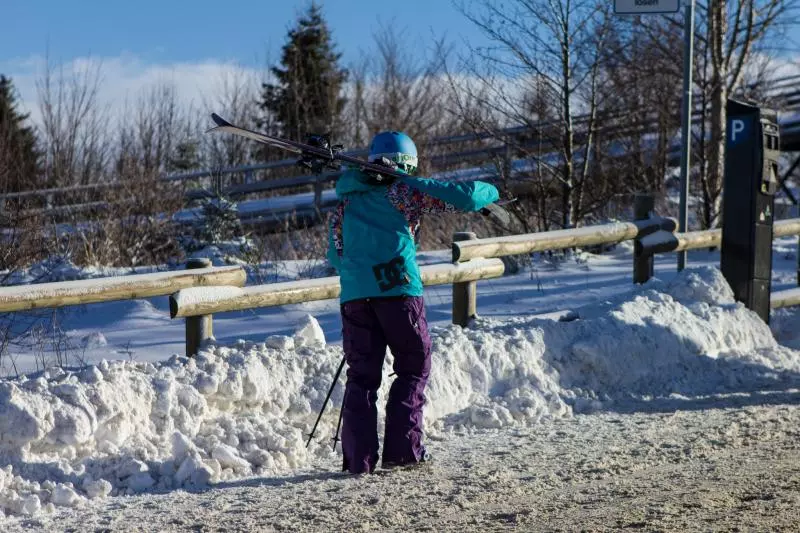 Skiurlaub in der Slowakei
Photo: Dago Wiedamann
Quick facts
- High Tatras: Tatranská Lomnica, Štrbské Pleso and Starý Smokovec each offer a different base.
- Low Tatras: Jasná extends across the slopes of Chopok.
- Other regions: Donovaly and smaller areas offer alternatives beyond the best-known Tatra resorts.
- Before your ski day: Check current piste openings, lift operations, weather warnings and suitable equipment.
High Tatras: different bases
Tatranská Lomnica and Štrbské Pleso are both in the High Tatras, but their ski areas and local conditions differ. Your choice of base affects your accommodation, elevation and the rest of your plans for the day. Tatranská Lomnica and Štrbské Pleso by Lake Štrba are different bases in the High Tatras.
The High Tatras are also a destination for hiking and scenic views, but winter trails are not automatically suitable for standard hiking gear. Starý Smokovec is another place to consider when comparing possible bases. Check local notices about trail closures and weather for every activity.
Low Tatras, Jasná and Donovaly
Jasná lies on both sides of Chopok in the Low Tatras and, according to official Slovak tourism information, is the country’s largest ski resort. It has runs of varying difficulty; anyone venturing off-piste needs appropriate experience and must follow local access notices and safety rules. See the Low Tatras travel guide for more on the area.
Another option is Donovaly, on the boundary between the Low Tatras and Veľká Fatra national park regions. If you are looking for smaller bases, you can compare the Podbanské ski area. An overview of Slovakia’s national parks helps put the natural areas into context; current piste and lift reports are available in the official Slovakia Travel ski resort directory.
Accommodation, travel and safety
When choosing accommodation, consider the distance to the lift, getting there early in the morning and returning after the lifts close. Road and weather conditions can change quickly at higher elevations. Check that your vehicle has the necessary winter equipment and follow local traffic and avalanche advisories.
If trails and facilities are open, cross-country skiing, winter hiking or a city visit can complement a day on the slopes. For a city stay outside the mountains, Poprad can serve as a base for trips to the Tatras. When choosing accommodation and planning your holiday, factor in the distance to your chosen area. Don’t mistake challenging tours for groomed ski runs.
Frequently asked questions about ski holidays
Which region is suitable for a first ski holiday?
Choose based on your ability and whether you prefer easy, intermediate or challenging runs. Official resort information and local piste maps can help you compare options; actual openings may change.
What is the difference between Jasná and Tatranská Lomnica?
Jasná is on Chopok in the Low Tatras, while Tatranská Lomnica is a base in the High Tatras. Their terrain, elevation and local conditions differ, so it is worth checking the piste maps for each area.
Can I ski in Slovakia with children?
Many areas offer slopes of varying difficulty and facilities for families. Before booking, check local information about beginner slopes, ski schools, children’s areas and childcare.
When are the slopes open?
Opening times depend on the weather, snow conditions, grooming and lift operations. Check the latest reports for your chosen area rather than relying on general promises about the season.
What equipment do I need for winter?
Choose equipment to suit your activity, ability and conditions. For driving in mountain regions, winter equipment and up-to-date road advisories are important; additional safety requirements apply away from the pistes.
